A good interpreter is almost invisible. The speaker talks, the listener understands, and the conversation flows as if everyone shared a language. Behind that smooth result lies careful preparation: research on the topic, a glossary of terms, a briefing with the speaker and a choice of mode that fits the situation. Meetings, negotiations, court hearings, medical appointments, factory visits and international conferences all call for different approaches, and the wrong choice can slow a discussion or cause costly misunderstandings. Organisers often wait until the week before an event to look for an interpreter, then discover that the best specialists are booked and that equipment must be ordered in advance. Interpreting works best when the client chooses the right mode early, shares materials in advance and gives the interpreter the conditions needed to listen and speak clearly. This article describes the main modes and practical steps for event organisers, lawyers, clinics and businesses.
Consecutive, simultaneous and whispered interpreting
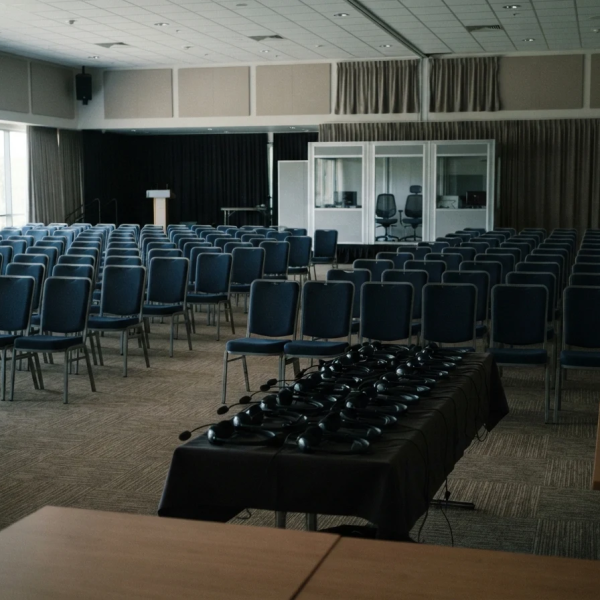
In consecutive interpreting, the speaker pauses after a few sentences and the interpreter renders them. It suits small meetings, interviews and site visits. In simultaneous interpreting, the interpreter speaks while the speaker continues, usually from a booth with headsets, which fits conferences and long events. Whispered interpreting serves one or two listeners without equipment. Clients who order interpreting services should describe the audience size, the length of the event and the room, so that the provider can recommend the right mode.
Courts, hearings and official settings
Legal settings demand accuracy and neutrality. The interpreter renders everything that is said, without adding or omitting, and does not give advice. Courts and authorities may have rules about who can interpret, so ask in advance. Provide case documents when permitted, and agree on how names, places and legal terms will be handled. Clear conditions protect the rights of everyone involved.
Remote and telephone interpreting
Telephone and video interpreting provide access to rare languages and urgent help. Our article on phone interpreter services explains how a call is set up, how to speak with an interpreter and which situations suit remote support best. Use a quiet room, a good headset and a stable connection, and introduce all participants at the start.
Briefing the interpreter and sharing materials
Send the agenda, slides, speeches, names of participants and a list of technical terms at least a few days before the event. A short call with the main speaker helps the interpreter understand style and speed. During the event, ask speakers to talk at a natural pace, avoid long monologues without breaks and avoid jokes that depend on wordplay.
Equipment, breaks and working conditions
Simultaneous interpreters work in pairs and swap every twenty to thirty minutes, because the effort is intense. Booths must have good sound, clear sight of the speaker and the screen, and a stable power supply. Plan breaks, provide water and avoid last minute changes to the programme. Good conditions raise the quality of every sentence.
Medical and social care interpreting
In clinics and social services, interpreters help people describe symptoms, understand diagnoses and give consent. Family members should not interpret for medical matters, because they may filter bad news or lack the vocabulary. Book a qualified interpreter, brief them on the topic and allow extra time for each appointment so that nothing is rushed.
Business negotiations and site visits
In negotiations, interpreters support relationships as much as words. Share the goals of the meeting, the names of the participants and a list of figures that will be discussed. During site visits, consecutive or whispered interpreting works well, and a short walk through the site beforehand helps the interpreter learn the vocabulary of machines and processes.
Confidentiality, ethics and impartiality
Interpreters follow a code of conduct that covers accuracy, impartiality and confidentiality. They do not give opinions, they do not take sides and they do not share what they hear. Ask your provider to confirm these rules in writing when the topic is sensitive, and limit the number of people who receive documents from the meeting.
Choosing and booking the right professional
Ask about experience in your field, credentials, references and the languages and dialects needed. Book early, especially for rare languages and busy seasons, and confirm date, place, mode and equipment in writing. A clear contract avoids misunderstandings about travel time, overtime and cancellation.
Speaking so that you can be interpreted
Speakers can help by using short sentences, avoiding idioms, pausing at natural points and sharing numbers in writing. Do not talk over each other, and address the other party, not the interpreter. After a long statement, ask the interpreter whether they need a repetition. These habits make the whole meeting more productive.
Evaluating the result and improving next time
After the event, ask participants whether they understood everything and where they had trouble. Share feedback with the interpreter and update your glossary with new terms. Keep a record of materials and decisions, so that the next event starts from a stronger base and requires less preparation.
Where to read more
For a neutral overview of the profession and its techniques, see the Wikipedia article on language interpretation, which describes modes, history and settings.